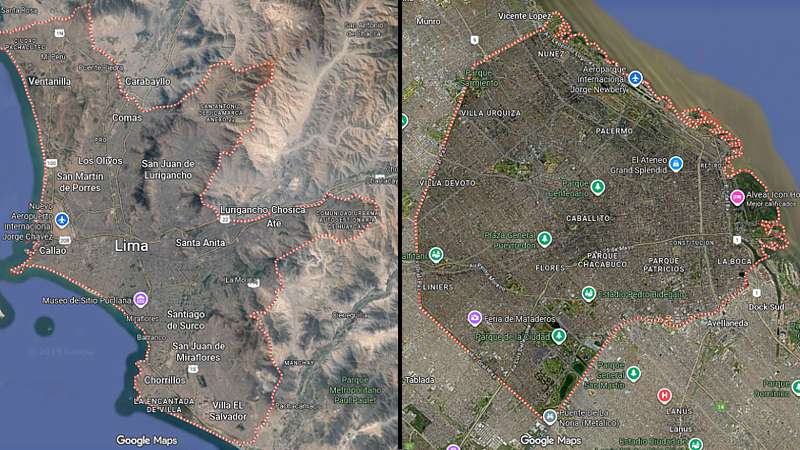
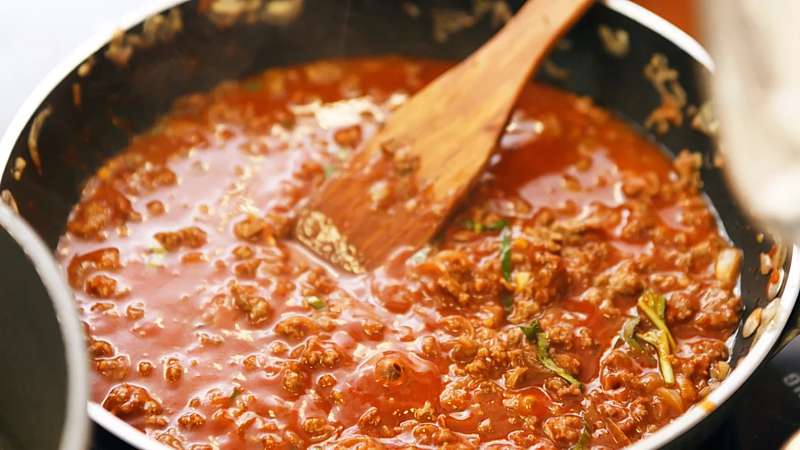
I was born in Argentina, raised on the aromas of simmering tuco, wood-smoke from weekend asados, and the unmistakable perfume of a freshly opened Malbec. But today I live in Lima —a city whose cuisine doesn’t just seduce the palate; it grabs you by the senses and refuses to let go. Comparing the everyday food cultures of Lima and Buenos Aires is comparing two giants that shaped me in different ways. One is comfort and memory; the other is discovery and vibrancy. Both define who I am.
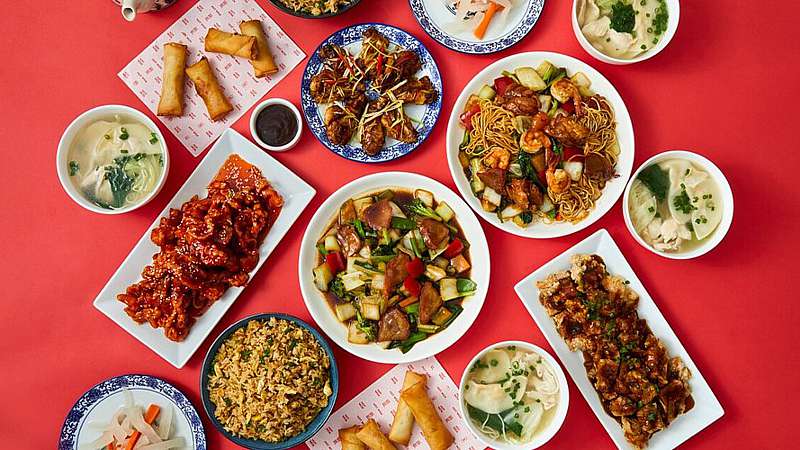
Lima’s daily food life is relentless in its diversity. What fascinates me most is how Limenians treat food not as a ritual reserved for weekends, but as a constant, living presence —found in markets, side-street stands, and humble lunch counters that often surprise you more than the fine-dining restaurants. Start with the chifas: these Peruvian-Chinese hybrids that became part of the city’s identity. A simple chaufa or a bowl of wantan soup embodies how Lima absorbs outside influence and transforms it into something local. Then there’s creole food —the soulful backbone of the city. Ají de gallina, tacu tacu, cau cau, carapulcra… everyday dishes that seem simple until you try to understand how much history sits behind each spoonful.
Nikkei cuisine is another world altogether. Only Lima could take Japanese technique and Peruvian ingredients and produce something this precise, this addictive, this globally influential. The magic is in the balance: acidity, umami (‘delicious salty flavor’ in Japanese), texture, color. A single tiradito can explain Lima better than most travel guides.
And then come the markets: Surquillo, Magdalena, San Isidro —where the freshness is almost aggressive. They produce feels alive. Fish comes straight from the Pacific, still cold with sea mist. Ceviche in Lima is not a dish; it’s a philosophy. It demands immediacy. It tastes like the ocean trapped inside a lime. It’s the reason I learned to understand freshness in a deeper way: what seafood should smell like, what texture means, how the right amount of ají limo can wake up every nerve in your mouth. And of course, no meal feels quite anchored without a pisco sour —sharp, aromatic, and unapologetically Peruvian.
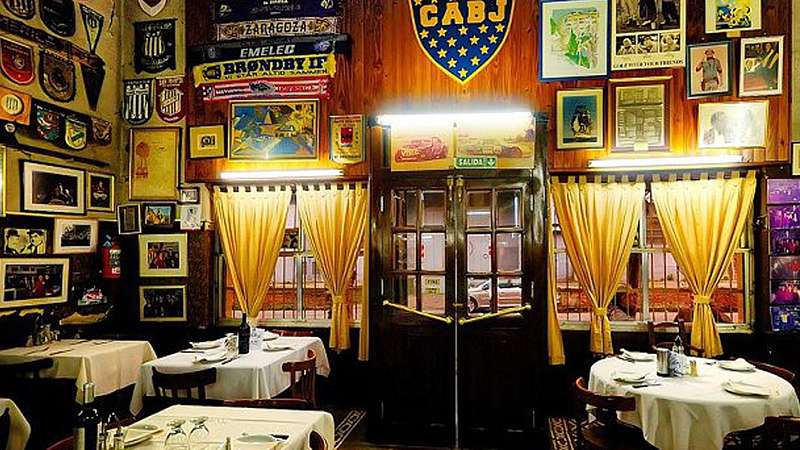
But Buenos Aires is my first gastronomic language. Food there isn’t just eaten; it’s lived. The bodegón culture —those old, family-run restaurants with huge portions, wood-paneled walls, and waiters who’ve been there for decades— is one of the city’s great treasures. Milanesa a la napolitana, rabas, pastas “al dente porteño”, matambres, tortillas jugosas —these places taught me what abundance feels like. They also taught me that simplicity is an art.
Then there’s the pizza scene of Buenos Aires, a chapter that deserves its own encyclopedia. Porteño pizza has rules. It’s heavy, cheesy, unapologetically thick, and deeply tied to the Italian immigration waves. Walk into Güerrín, El Cuartito, Las Cuartetas, or Banchero and you’re stepping into living history—standing shoulder-to-shoulder with generations of pizza lovers in places that haven’t changed in decades. The city guards these traditions fiercely.
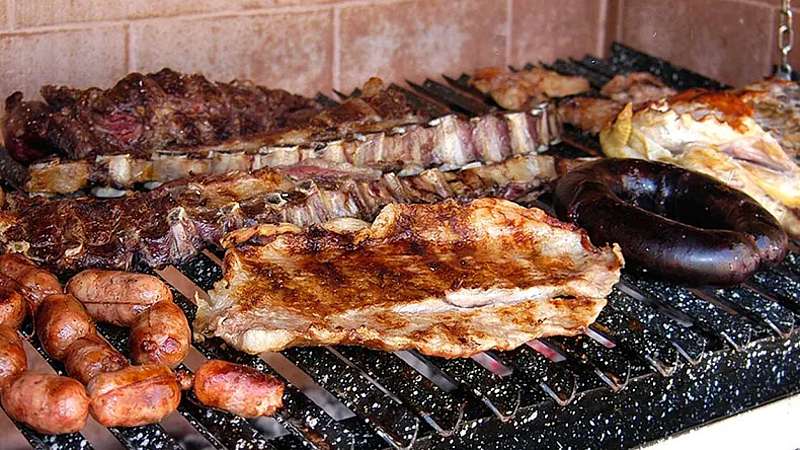
Buenos Aires also gave the world its parrillas—cathedrals of fire where patience, technique, and quality of meat create an unmistakable flavor. There’s nothing quite like the slow ritual of an Argentine grill: the crackling of the leña, the anticipation, the conversation that stretches across the cooking time. When the asado hits the table —vacío, bife de chorizo, morcilla, provoleta— it becomes a communal moment, something that defines Argentines everywhere.
Italian and Spanish heritage flows through the city’s food like blood through veins. From gnocchi on the 29th of each month to the galician empanadas and the pastel de papas borrowed from shepherds but perfected in the Río de la Plata, Buenos Aires is a product of its immigrants. And no description of Porteño cuisine is complete without mentioning Argentine wines —the pride of the Andes foothills. Malbec may lead the way, but Bonarda, Cabernet Franc, and Torrontés keep the story interesting.
Living in Lima and being born in Buenos Aires gave me a privileged duality. Lima sharpened my palate; Buenos Aires shaped my identity. One city feeds my curiosity; the other feeds my memories. And between ceviche and pizza, between pisco sour and Malbec, between chifa and bodegón, I carry both worlds with me —one in each hand, always hungry for the next plate.